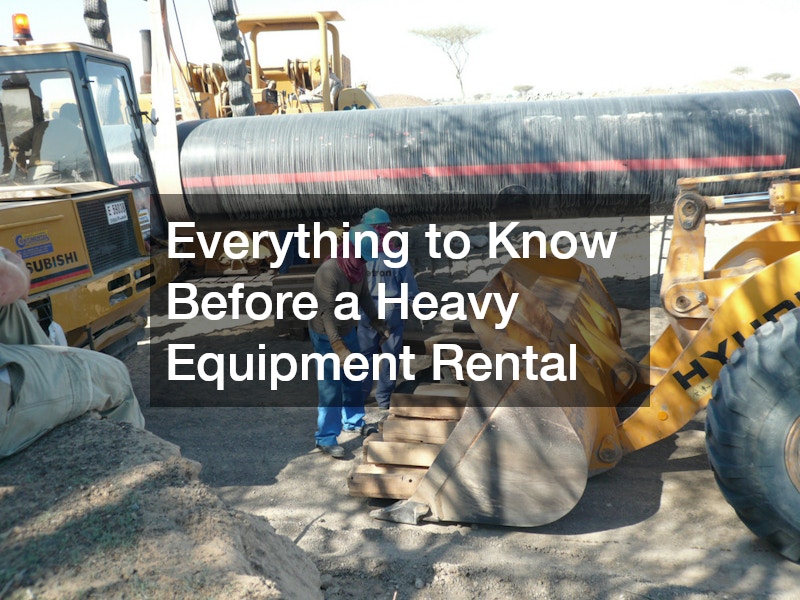
Before diving into the world of heavy equipment rental, it’s crucial to define the needs of your project. Understanding the scope of your project helps in selecting the right machinery. For instance, if you’re working on a construction project, you may need different equipment compared to a landscaping task.
By clearly identifying your requirements, you can avoid unnecessary costs associated with renting equipment that is either too sophisticated or too basic for your project needs. Additionally, having a clear plan can save time as you will be able to communicate your needs more effectively with rental companies, ensuring a smoother rental process.
Once you’ve outlined your project requirements, it’s vital to evaluate the timeline. Project duration can significantly affect which heavy equipment rental best suits your needs. For example, short-term projects may benefit from renting equipment by the day or week, whereas long-term projects might be more cost-effective with a monthly rental. Regularly assessing the timeline also ensures that the equipment rental aligns with any changes in project scope or deadlines. By doing this, you maximize productivity and prevent the loss of funds associated with equipment sitting idle.
An additional consideration is the site conditions where the equipment will be used. Evaluating factors such as terrain, climate, and site accessibility is critical in determining the right heavy equipment rental. For instance, rough terrain may require specialized machinery like all-wheel-drive loaders or excavators, while tight spaces might necessitate compact equipment. Working with rental companies that offer onsite consultations can be extremely beneficial, as they often have experts who can recommend the best machinery for specific site conditions. By taking these measures, you ensure a more efficient rental process and optimal safety on the job site.
Exploring Rental Costs and Budgeting
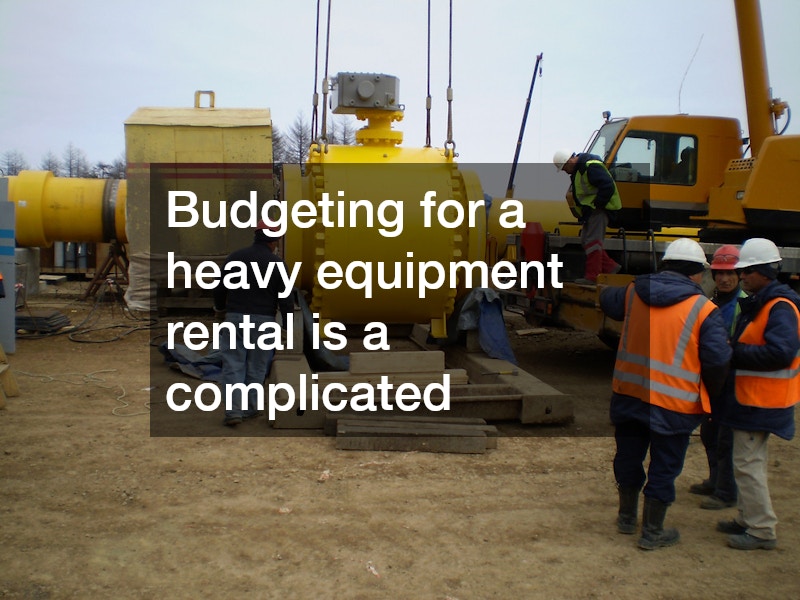
Budgeting for a heavy equipment rental is a complicated yet essential part of any project. Understanding rental costs involves more than just the daily or weekly rate; you also need to consider factors like fuel, insurance, and delivery charges. These additional costs can vary significantly between rental companies and locations, so it’s crucial to obtain multiple quotes before making a decision. Comparing these expenses allows you to budget effectively, ensuring that all potential costs are accounted for. Thus, you avoid financial surprises and keep the project on track financially.
A key aspect of budgeting is evaluating the cost-benefit ratio of renting versus buying equipment. While renting might seem expensive at first glance, it provides flexibility and reduces long-term financial commitments. You avoid costs associated with maintenance, storage, and depreciation, making it an attractive option for one-off projects or businesses that use machinery infrequently. However, for projects requiring extended use of equipment, buying might be more cost-effective in the long run. Weighing these factors helps you make an informed financial decision.
Consider also the benefits of negotiating rental terms to fit your budget better. Most rental companies are willing to discuss rates and terms, especially for long-term rentals or returning customers. Engaging in these negotiations can result in favorable terms, such as discounts or flexible payment options. Establishing a good working relationship with rental companies often leads to future benefits, such as faster service or equipment availability. By taking time to negotiate terms, you can make heavy equipment rental a more cost-efficient solution for your project needs.
Choosing the Right Rental Company
Choosing the right rental company is crucial for the success of your project. A reliable rental partner ensures access to well-maintained and up-to-date equipment, minimizing downtime and enhancing productivity. Start by researching their reputation through online reviews and testimonials from other clients. Checking for accreditations or certifications can also provide assurance that the company adheres to industry standards. These steps help you identify dependable partners that will support your project’s needs without causing unnecessary delays.
Another essential factor in choosing a rental company is their range of equipment. A company with a wide selection of machinery is more likely to meet your varied project requirements. It’s essential to find out whether the company offers both general and specialized equipment, as having a single source for all your rental needs can streamline the process. Additionally, inquire about their maintenance schedules and availability of backups for crucial machines. This can prevent disruptions and ensure that rental equipment is always in top working condition.
Customer service quality should also weigh heavily in your decision-making process. A responsive and knowledgeable rental team can make a significant difference in how smoothly your equipment rental experience goes. Observe how the company communicates and responds to your inquiries; this is often indicative of the kind of support you can expect throughout your rental period. Excellent customer service includes providing detailed guidance on equipment operation and addressing any issues promptly. Prioritizing companies with strong customer service ensures that any problems you encounter will be resolved efficiently, allowing your project to proceed seamlessly.